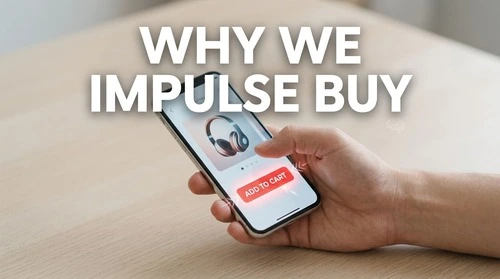
You had a rough week, so you ordered takeout twice, bought something you didn’t need online at midnight, and somehow ended up with a cart full of "treat yourself" items at the store. Then the guilt hit. If that sounds familiar, you’re not careless with money — you’re human, and your brain is doing exactly what it’s wired to do under pressure.
The Real Connection Between Stress and Spending
Stress doesn’t just live in your head. It changes how your brain makes decisions, and money decisions are no exception. When cortisol levels rise, your brain shifts toward short-term relief and away from long-term thinking, which is precisely why a stressful day can turn into an impulse purchase you wouldn’t normally make.
This isn’t a personal failing. According to a LendingTree survey, 63% of Americans say they’ve made purchases while feeling emotionally influenced, and 74% of that group admitted it led them to spend more than planned (LendingTree/Jackson). In other words, most people who feel emotional while shopping end up overspending because of it — not occasionally, but as a pattern.
Money itself is also one of the biggest sources of that stress in the first place. Recent research shows money remains a significant source of stress for the majority of American adults, based on data from the American Psychological Association’s Stress in America report (SingleCare). That creates a loop: money stress leads to spending that’s meant to relieve stress, which can then create more financial stress down the line.
Why Shopping Feels Like Relief (Even When It Isn’t)
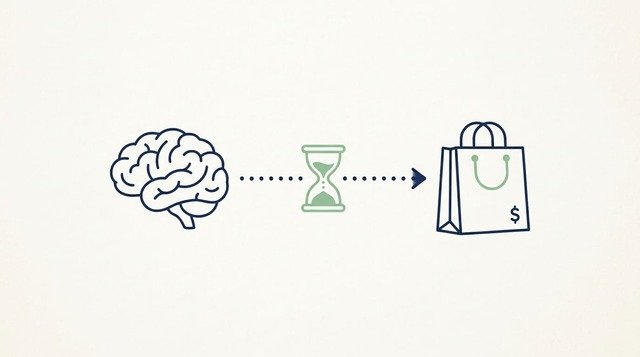
Retail therapy has a real biological basis. Shopping can trigger a release of dopamine, the brain chemical tied to pleasure and reward, which briefly makes you feel better regardless of what you’re actually buying. That relief is real — it’s just temporary, and it doesn’t address whatever caused the stress to begin with.
This is why stress spending rarely looks like one big purchase. Instead, it usually shows up as smaller, repeated decisions:
- Ordering delivery instead of cooking, several nights in a row
- Adding "small" items to an online cart that quietly add up
- Impulse-buying something after an argument, a bad email, or a hard conversation
- Upgrading a purchase you’d normally buy at a lower price point, because you feel like you deserve it
None of these decisions feel dramatic in the moment. That’s exactly what makes them easy to overlook until the credit card statement shows up.
Financial Stress Is Rising, Which Makes This Worse
This pattern isn’t shrinking, either. Heading into 2026, more than half of survey respondents reported an increase in financial stress over the previous year, and a majority named money as their top life stressor, according to Intuit’s Financial Wellness survey (Intuit). When stress becomes constant instead of occasional, stress spending stops being a rare slip and starts becoming a default coping habit.
In my own experience, money has never felt purely practical. When things are going well financially, everything else feels more manageable too — but when money gets tight, that stress bleeds into my mood and confidence far more than I expected it to. I think that’s especially true for people in their 20s and 30s, who are often navigating money stress for the first time without fully realizing how much it’s shaping their decisions, including the ones happening at checkout.
How to Recognize Stress Spending Before It Happens
You don’t need to overhaul your entire budget to interrupt this pattern. You mostly need to catch it earlier, because stress spending tends to follow a recognizable sequence rather than coming out of nowhere.
Notice the Trigger, Not Just the Purchase
Before you look at what you bought, look at what happened right before you bought it. A stressful call, a tense conversation, or even just a long, draining day are common triggers. Naming the trigger out loud — even just to yourself — takes some of its power away.
Build in a Pause
A short delay changes outcomes more than people expect. Waiting even 10–15 minutes before completing a non-essential purchase gives the emotional urgency time to fade, so you’re deciding with a calmer brain instead of a stressed one.
Separate "Comfort" From "Purchase"
Because shopping is tied to dopamine, your brain is often chasing the feeling of relief, not the item itself. As a result, it helps to ask what you’re actually craving in that moment. Sometimes a walk, a text to a friend, or even a short break accomplishes the same emotional reset without the financial cost.
Track the Pattern, Not Just the Total
Instead of only reviewing how much you spent, review when you spent it. If a pattern emerges around certain days, people, or types of stress, that pattern is far more useful than the dollar amount alone, because it tells you what to plan for next time.
What to Do If It’s Already Happened
If you’re reading this because you’ve already overspent this month, you don’t need to spiral over it. One stressed-out spending week doesn’t undo months of good habits, and treating it as a moral failure usually just adds more stress — which, ironically, increases the odds of doing it again.
Instead, look at it as information. What triggered it? What time of day did it happen? Was there a pattern you can plan around next time? Answering those questions is far more useful than simply promising yourself you’ll "do better," because it gives you something specific to act on.
Frequently Asked Questions
Is stress spending the same as emotional spending? They overlap, but stress spending specifically refers to purchases driven by anxiety, pressure, or overwhelm, while emotional spending is a broader term that also includes spending tied to boredom, sadness, or excitement.
How do I know if I’m a stress spender? A common sign is noticing that certain purchases happened right after a stressful event rather than because you planned or needed them. If you look back and can connect spending spikes to hard days more than to actual needs, that’s usually the pattern.
Can budgeting apps help with stress spending? They can help you notice the pattern faster, since many apps flag unusual spending or send real-time alerts. However, they work best alongside the pause-and-notice habits above, not as a replacement for them.
Does stress spending mean I have no self-control? No. It means your brain is doing what stressed brains are designed to do: seek quick relief. Understanding that difference is usually more useful than blaming yourself, because self-blame tends to fuel the cycle rather than break it.
Stress spending isn’t a character flaw, and it’s not something you can simply will yourself out of through guilt. It responds much better to noticing the pattern early and building in small pauses than it does to strict rules you’re likely to abandon after one hard week. If you’ve noticed this pattern in your own spending, it might also be worth looking at how your overall money habits shape your day-to-day decisions.