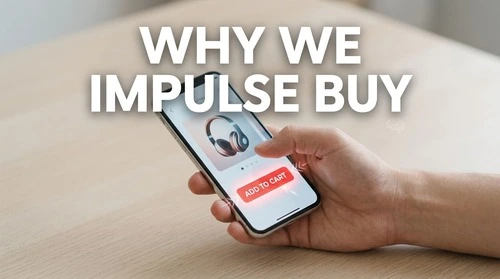
You had a rough day, opened an app "just to look," and twenty minutes later a package was on its way to your door. If that sounds familiar, you’re far from alone — and there’s nothing wrong with you for doing it.
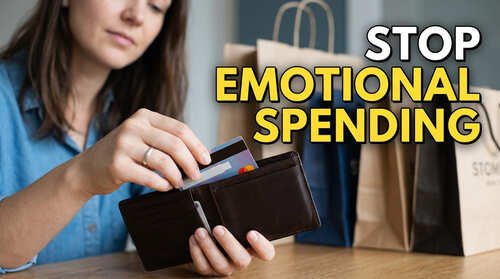
What Emotional Spending Actually Is
Emotional spending happens when a purchase is driven by a feeling rather than a need. Stress, boredom, loneliness, celebration, or even a small win at work can all trigger the same urge: buy something to change how you feel right now.
According to a LendingTree survey of 2,000 U.S. consumers, 63% of Americans say their emotions influence their purchases, and 74% of those emotional shoppers admit it has led them to overspend. Nearly half say they shop specifically to boost their mood, with food, clothing, and beauty products topping the list of "treat yourself" buys.
In other words, this isn’t a rare slip-up. It’s a normal, widespread response to being human — but left unchecked, it can quietly wreck a budget.
Why It Happens (And Why Willpower Alone Won’t Fix It)
Emotional spending isn’t really about the item you’re buying. It’s about the relief that shows up the moment you click "buy" or hand over your card. That relief is real, even if it’s short-lived, which is exactly why telling yourself to "just have more discipline" rarely works long-term.
Money itself carries a heavy emotional weight for a lot of people, not just a practical one. A 2025 Bankrate survey found that 43% of U.S. adults say money negatively affects their mental health at least occasionally, through anxiety, stress, or worrisome thoughts. When money already feels tied to your mood, spending can become a way to briefly flip that switch in the other direction.
In my own experience, money has always been closely linked to how I feel day to day — when things are going well financially, everything feels lighter, and when they’re not, the stress bleeds into my confidence and mood overall. I think this is especially true for young adults figuring out their finances for the first time, even though it’s not something people talk about openly.
How to Recognize It Before You Buy
The goal isn’t to eliminate every impulse purchase forever. It’s to catch the pattern early enough to make a choice instead of reacting automatically.
Notice the Trigger, Not Just the Purchase
Before you shop, ask yourself what just happened. Did you get bad news? Are you avoiding a task? Are you bored on your phone at 11 p.m.? Naming the trigger takes some of its power away.
Watch for These Common Patterns
- Shopping right after an argument or a stressful email
- Browsing retail sites when you’re supposed to be doing something else
- Buying to "reward" yourself after a hard day, even for small things
- Feeling a rush at checkout, followed by regret an hour later
Pay Attention to the Timing
Emotional purchases usually happen fast — from feeling to checkout in minutes. Necessary purchases, on the other hand, are usually planned in advance. If you’re buying something you hadn’t thought about ten minutes ago, that’s a signal worth pausing on.
Practical Ways to Stop Emotional Spending
1. Build in a Waiting Period
Give yourself 24 hours before buying anything that isn’t a planned need. This won’t stop every purchase, but it interrupts the instant feeling-to-purchase loop that emotional spending relies on. As a result, many purchases lose their appeal once the initial emotion fades.
2. Find a Free Version of the Relief
Because the goal of emotional spending is really to change your mood, look for other ways to get that same shift. A short walk, a call with a friend, or even fifteen minutes away from your phone can interrupt the urge without touching your bank account.
3. Remove Easy Access
Delete saved payment info from shopping apps, unsubscribe from sale emails, and log out of accounts you tend to browse when you’re stressed. Friction is one of the simplest tools available, because it adds a small barrier between the feeling and the action.
4. Track the "Why," Not Just the "What"
Instead of only logging what you bought, jot down how you were feeling beforehand. Over a few weeks, a clear pattern usually emerges — for example, spending spikes every Sunday night or after specific types of days at work.
5. Give Yourself a Small, Planned Outlet
Cutting yourself off completely often backfires. Instead, build a modest amount of "guilt-free" spending into your budget so an occasional treat doesn’t derail everything else.
When Emotional Spending Signals Something Bigger
Occasional stress purchases are normal. However, if emotional spending is regularly leading to debt, hidden purchases, or growing anxiety about your finances, it may be worth talking to a financial counselor or therapist. Money and mental health are closely connected, and untangling one often helps the other.
FAQ
Is emotional spending the same as impulse buying? They overlap, but they’re not identical. Impulse buying can happen simply because something catches your eye, while emotional spending is specifically tied to trying to change how you feel.
Can emotional spending lead to debt? Yes, and it does for many people. If purchases regularly go on a credit card without a plan to pay them off, emotional spending can build up debt faster than it feels like it should.
How do I stop emotional spending without feeling deprived? Building in a small, planned amount for treats — rather than cutting spending entirely — tends to work better long-term than an all-or-nothing approach.
Does emotional spending affect everyone the same way? No. Triggers, amounts, and categories of spending vary a lot from person to person, which is why tracking your own patterns matters more than following a generic rule.
Emotional spending isn’t a character flaw — it’s a habit loop that can be noticed and gently redirected, one purchase at a time. If you’ve been working on your budget lately, it might also be worth taking a closer look at how comparison culture and social media quietly shape what feels like a "need" in the first place.