Your car makes a noise it’s never made before, and your stomach drops before the mechanic even says a number. If your bank balance decides how bad the next hour is going to feel, you’re not alone — and you’re also not stuck there.
Why an Emergency Fund Matters More Than You Think
An emergency fund isn’t a "nice to have" savings goal sitting next to a vacation jar. It’s the difference between a bad week and a bad year.
According to the Federal Reserve’s most recent Survey of Household Economics and Decisionmaking, roughly 37% of adults said they would not have been able to cover a hypothetical $400 expense in the past year using cash, savings, or a credit card paid off at the next statement. The same survey found that 30% of adults could not cover three months of expenses by any means at all, while only 15% could.
Those numbers matter because emergencies rarely announce themselves. A cracked windshield, a broken water heater, or a sudden layoff doesn’t wait until payday. Without cash set aside, a manageable problem can turn into new debt — and debt has a way of following you around long after the original emergency is fixed.
How Much Should You Actually Save?
There’s no single "correct" number, but there is a widely used framework worth starting from.
Most financial experts, including Ramsey Solutions, suggest building toward three to six months of essential expenses — think housing, utilities, groceries, insurance, and minimum debt payments, not your full discretionary spending. Someone with stable income, no dependents, and a paid-off car can often lean toward the three-month side. Someone who is self-employed, supporting a family, or working in a volatile industry may want closer to six.
If that number feels overwhelming, it should — for now. The goal isn’t to hit it this month. It’s to know where you’re headed so every deposit feels like progress instead of guesswork.
A Simpler Starting Target
Before chasing three to six months of expenses, aim for a smaller milestone first: one month of essential expenses, or even a flat $1,000–$2,000 if your expenses are hard to pin down. This "starter" fund won’t protect you from everything, but it will absorb the small stuff — a flat tire, a vet bill, a broken phone screen — without derailing your budget or forcing you onto a credit card.
Step-by-Step: Building Your Emergency Fund From Zero
1. Calculate Your Real Monthly Essentials
Pull up your last two or three months of bank and card statements. Add up only the non-negotiables: rent or mortgage, utilities, groceries, insurance, transportation, minimum debt payments, and any childcare or medical costs. Leave out subscriptions, dining out, and shopping — those get cut first in a real emergency anyway.
2. Open a Separate, Dedicated Account
Keeping emergency savings in your regular checking account makes it too easy to "borrow" from without noticing. A separate savings account — ideally a high-yield one — creates just enough friction to protect the fund while still keeping it accessible within a day or two if you actually need it.
As of August 2026, the national average savings account rate sits around 0.38% APY, while top high-yield savings accounts are paying meaningfully more, according to the FDIC’s National Rates and Rate Caps data. That gap can add up to real money over time on a fund you’re not touching often, so it’s worth a few minutes of comparison shopping before you park your cash anywhere.
3. Automate a Fixed Amount Every Payday
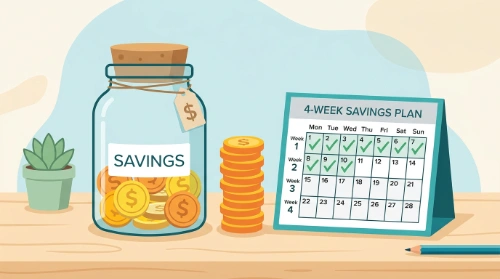
Even $25 a week builds a $1,300 cushion in a year. Set up an automatic transfer for the day after you get paid, before that money has a chance to feel "spendable." Consistency matters far more than the size of any single deposit.
4. Redirect Windfalls Before You Get Used to Them
Tax refunds, work bonuses, cashback rewards, and rebate checks are ideal emergency-fund fuel because you never budgeted around having them. Sending even half of a windfall straight to savings can shave months off your timeline without changing your day-to-day spending at all.
5. Cut Costs Without Cutting Corners
In my own experience, the hardest part of saving isn’t finding extra income — it’s trimming spending without losing quality of life. I’ve spent a lot of time comparing options: switching providers, buying the same groceries on sale instead of impulse items, and looking for where a small adjustment doesn’t actually cost me anything I care about. That mindset, more than any single big cut, is what quietly builds a fund over time.
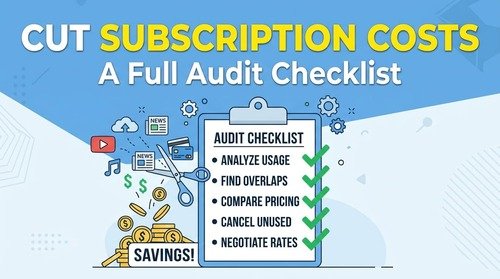
A simple audit of recurring subscriptions, insurance rates, and grocery habits often frees up $50–$150 a month without any real sacrifice — and that’s money that can go straight into your emergency fund instead of disappearing into your checking account.
6. Treat It as a Bill, Not an Afterthought
If your emergency fund contribution only happens with "leftover" money, it often won’t happen at all. Build it into your budget the same way you’d budget for rent: a fixed line item that gets paid before discretionary spending, not after.
7. Replace What You Use, Right Away
When you do dip into the fund for a real emergency, make replenishing it the next budget priority — even before other savings goals. An emergency fund only works if it’s there the next time you need it, too.
Where Should You Keep Your Emergency Fund?
| Option | Access Speed | Typical Yield (Aug. 2026) | Best For |
|---|---|---|---|
| Regular checking account | Instant | Near 0% | Not recommended — too easy to spend |
| Traditional savings account | 1–2 days | ~0.38% national average | Starter funds under $1,000 |
| High-yield savings account (online bank) | 1–2 days | 3.5%–4.5% APY | Most emergency funds |
| Money market account | 1–2 days | Similar to HYSA | Larger funds, check-writing needs |
A high-yield savings account tends to be the sweet spot: your money stays fully liquid and FDIC-insured, but it earns meaningfully more than a traditional bank account while you build toward your target.
Frequently Asked Questions
How much should I have in my emergency fund if I’m just starting out? Start with $1,000, or one month of essential expenses if that number is higher. Build toward three to six months of expenses once you’ve paid off high-interest debt.
Should I pay off debt or build an emergency fund first? Most experts recommend a small starter fund first (around $1,000), then focusing on high-interest debt, then building your full three-to-six-month fund. This order protects you from going back into debt the moment a new emergency hits.
Is investing my emergency fund a good idea? Generally, no. Emergency funds need to be accessible and stable, which rules out the stock market’s short-term ups and downs. A high-yield savings account offers a better balance of safety, access, and modest growth.
What counts as a real emergency? Job loss, essential medical or dental costs, urgent car or home repairs, and unavoidable travel for a family emergency generally qualify. A sale you don’t want to miss or a vacation doesn’t.
Building an emergency fund from zero rarely feels exciting in the moment — it’s small, repetitive deposits with no immediate reward. But the version of you dealing with a surprise expense six months from now will feel the difference immediately. If you haven’t set up a budget that supports these transfers yet, that’s the natural next place to focus.