You open your banking app, look at your balance, and have no idea how it got that low. You didn’t buy anything crazy. There was no big splurge. The money just… went somewhere. If that sounds familiar, zero-based budgeting might be the fix you’ve been looking for.
Unlike budgeting methods that just track what you already spend, zero-based budgeting forces every dollar to have a job before the month even starts. Nothing gets to hide. Here’s how to actually do it, step by step, even if you’ve never made a budget in your life.
What Is Zero-Based Budgeting?
Zero-based budgeting is a method where your income minus your expenses equals zero. That doesn’t mean you spend every dollar you earn — it means every dollar gets assigned somewhere, whether that’s rent, groceries, debt payoff, savings, or fun money.
The formula looks like this:
Income − Expenses (including savings and debt payments) = $0
If you have money left over after listing your expenses, you haven’t finished budgeting — you assign that leftover amount to a goal too, like an emergency fund or extra debt payment. Every dollar has a purpose before it hits your account.
This matters more than it might sound like. Nearly half of Americans, 48%, reported living paycheck to paycheck in 2026, according to Debt.com’s 9th Annual Budgeting Survey — and a huge part of that isn’t necessarily about how much people earn. It’s about not knowing where the money is going in the first place.
Zero-Based Budgeting vs. Other Budgeting Methods
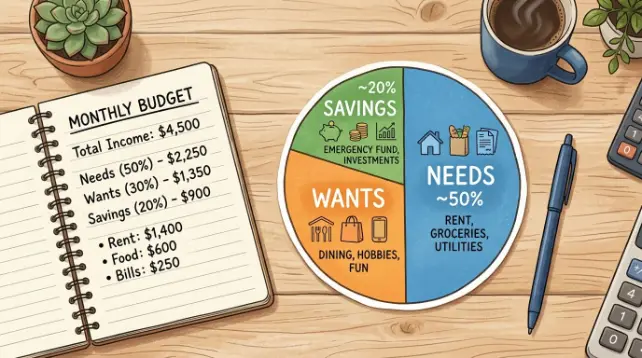
If you’ve heard of the 50/30/20 rule or envelope budgeting, zero-based budgeting is stricter. The 50/30/20 rule gives you broad percentage buckets (needs, wants, savings) and lets you fill them in loosely. Zero-based budgeting wants a line item for every single expense, down to your streaming subscriptions and your coffee habit.
It takes more effort upfront. But it also gives you the clearest possible picture of your spending, which is exactly why it works so well for people who feel like their money disappears without explanation.
Step 1: Calculate Your Total Monthly Income
Start with your take-home pay — the amount that actually lands in your account after taxes and deductions, not your gross salary. If your income varies month to month because you freelance or work irregular hours, use your average from the last three to six months, and lean toward the lower end to stay safe.
Include every source:
- Your primary paycheck
- Side income or freelance work
- Any regular extra income (child support, rental income, etc.)
Step 2: List Every Single Expense
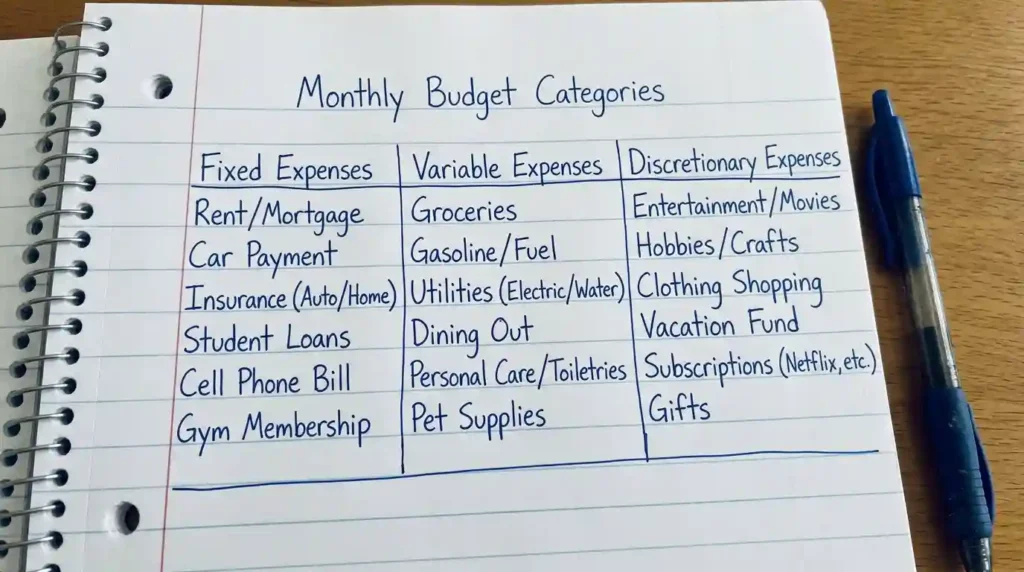
This is the step people try to rush, and it’s the one that makes or breaks the budget. Go through your bank and credit card statements from the last month or two and write down everything, including the small stuff.
Group your expenses into categories:
- Fixed expenses: rent or mortgage, car payment, insurance, loan payments
- Variable essentials: groceries, gas, utilities
- Debt payments: minimums plus anything extra you’re paying down
- Savings goals: emergency fund, retirement, a specific savings target
- Discretionary spending: dining out, entertainment, subscriptions, hobbies
Don’t skip the discretionary category to make your budget look better. The whole point of zero-based budgeting is honesty — if you know you’ll spend $80 on takeout this month, put it in the budget instead of pretending it won’t happen.
Step 3: Subtract Expenses From Income Until You Hit Zero
Now do the math: income minus every category you listed. If you land on a negative number, you’re spending more than you earn, and something has to give — usually a variable or discretionary category.
If you land on a positive number, don’t just let it sit there. Assign it somewhere on purpose: extra debt payoff, a bigger emergency fund contribution, or a specific savings goal you’ve been putting off. The goal is always $0 left unassigned, not less than zero and not more.
In my own experience, the hardest part of budgeting has never been cutting costs — it’s cutting them without feeling like I’m losing quality of life. When my income has tightened, I’ve had to get comfortable comparing options line by line instead of just slashing categories across the board, which is really what zero-based budgeting forces you to do: look at every dollar and ask if it’s earning its place.
Step 4: Track Spending Throughout the Month
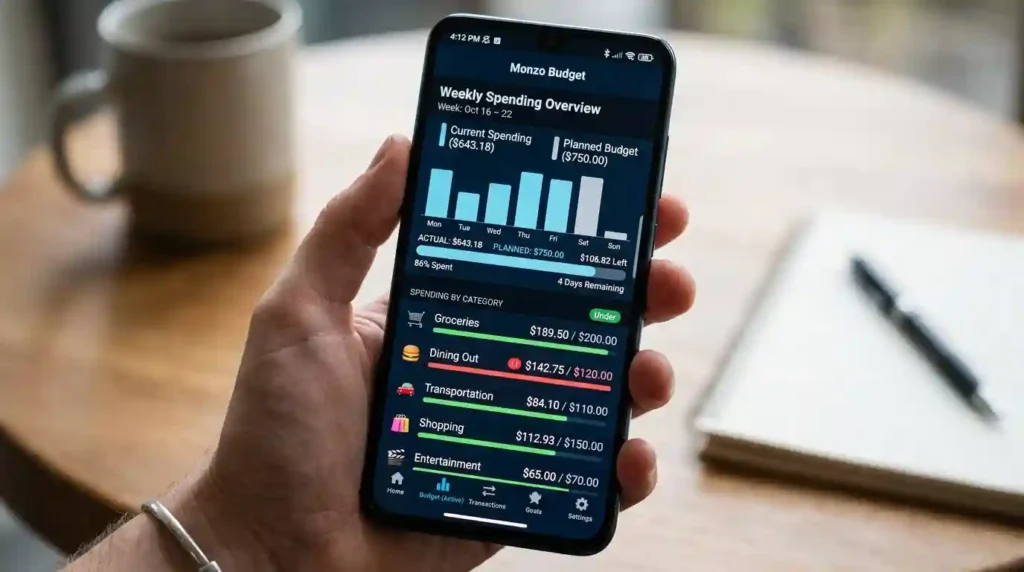
A zero-based budget isn’t something you build once and forget. Check in weekly, even if it’s just five minutes with your bank app open. Compare what you planned to spend in each category against what you’ve actually spent so far.
If you overspend in one category, the rule is simple: pull the difference from another category, not from thin air. This is what keeps the budget balanced instead of becoming a wish list you abandon by week two.
Step 5: Adjust Next Month Based on What You Learned
Your first month almost never goes perfectly, and that’s normal. Maybe you underestimated groceries or forgot a quarterly expense like car registration. At the end of the month, look back at where your estimates were off and adjust the numbers for next time.
Over two or three months, your categories start to reflect reality instead of guesswork, and the budget gets a lot easier to stick to.
Common Zero-Based Budgeting Mistakes to Avoid
- Forgetting irregular expenses. Annual subscriptions, car maintenance, and holiday spending need their own sinking fund category so they don’t blow up your budget when they hit.
- Being too rigid. If you leave zero room for anything fun, you’re more likely to abandon the whole system within a few weeks.
- Not adjusting after overspending. The budget only works if you actively move money between categories when real life doesn’t match the plan.
- Skipping the review step. A budget built once and never revisited stops reflecting your actual life within a month or two.
Frequently Asked Questions
Is zero-based budgeting the same as spending all your money? No. It means every dollar is assigned a job, which very often includes savings and debt payoff categories. "Zero" refers to unassigned dollars, not your bank balance.
How much time does zero-based budgeting take each month? Setting it up the first time usually takes an hour or two, mostly spent reviewing past statements. After that, most people spend 15–20 minutes a week keeping it updated.
What’s the best tool for zero-based budgeting? A spreadsheet works fine if you’re comfortable with formulas. Dedicated budgeting apps that use the zero-based method can also automate some of the category tracking for you, which is worth it if manual entry isn’t sustainable for your schedule.
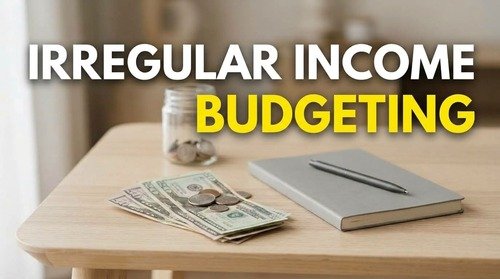
Does zero-based budgeting work with irregular income? Yes, though it takes an extra step. Budget based on your lowest expected income for the month, and treat any income above that baseline as a bonus to assign once it actually arrives, rather than planning around an average that might not show up.
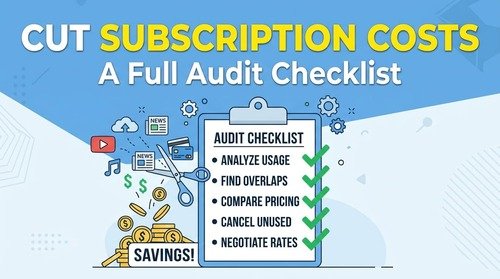
Once your categories are dialed in, the next challenge is usually making sure nothing sneaks past your budget without you noticing — which is exactly where a full spending audit comes in handy.