You’ve got the destination picked, the group chat is buzzing with excitement, and then reality hits: how do you actually pay for this without swiping a credit card you’ll be paying off for months? The good news is that a vacation you’ve saved for feels completely different from one you’re still paying off when you get home — and getting there just takes a plan.
Why So Many Trips End Up on Credit
Travel debt isn’t a fringe problem. Six in 10 travelers say they plan to borrow money to cover their trips, and within that group, roughly a quarter expect to put the cost on a credit card and carry the balance rather than paying it off right away. Some go further, covering travel with cash advances or even payday loans. Yahoo!
That matters because the average credit card interest rate sits at around 21% APR as of 2026. A $2,500 vacation charged to a card and paid off slowly at that rate can end up costing hundreds of dollars more than the trip itself. On top of that, the average American now carries around $6,500-$6,700 in credit card debt, so a vacation charge often just adds to a balance that’s already there — it rarely stands alone. foolfinancer
Saving ahead of time isn’t about being overly cautious. It’s about making sure the memories don’t come with a hidden bill.
How Much Does a Vacation Actually Cost?
Before you can save the right amount, you need a real number instead of a guess. The average one-week U.S. vacation costs about $1,991 per person, although domestic trips average closer to $2,400 per person and international trips run around $4,500 per person once flights, lodging, and activities are factored in. ChimeSpendMeNot
Where your money goes also matters for budgeting. Accommodation typically makes up about 35% of total vacation costs, which is why it’s usually the first place to look for savings. Timing plays a role too: summer travel runs 25-40% above average pricing, while shoulder-season trips in spring or fall can cost 10-20% less. PacasoSpendMeNot
Step 1: Set a Real Number, Not a Guess
Pick your destination and travel dates, then price out the four big categories separately: flights or gas, lodging, food, and activities. Add a 10-15% buffer for the expenses you’ll inevitably forget, like airport parking or a last-minute souvenir.
Having a specific number — say $1,800, not "a few thousand dollars" — makes the saving plan below actually work, because you can divide it into a timeline you can stick to.
Step 2: Reverse-Engineer Your Timeline
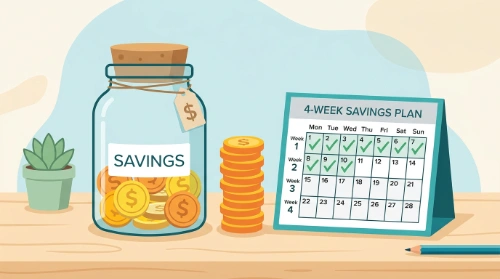
Once you know your target number, work backward from your trip date. If your vacation is 8 months away and you need $1,800, that’s $225 a month, or roughly $52 a week.
- Long timeline (8-12+ months): Smaller, steady monthly transfers
- Medium timeline (3-6 months): Combine monthly saving with a few targeted cuts
- Short timeline (under 3 months): Consider whether the trip needs to shrink in scope, or push the dates back
This is where a lot of people get stuck: they want the trip now but the math says later. As a result, it helps to treat the date itself as flexible until the budget catches up.
Step 3: Open a Dedicated Savings Account
Mixing vacation money with your everyday checking account is one of the easiest ways to accidentally spend it. Instead, open a separate savings account — ideally a high-yield one — and name it something specific, like "Cancun 2027." Seeing that label every time you check your balance makes it much harder to justify pulling from it for something unrelated.
Because it’s separate from your spending money, automating a transfer into it right after payday means the saving happens before you have a chance to talk yourself out of it.
Step 4: Automate Small, Consistent Transfers
Set up an automatic transfer for the day after you get paid, even if it’s a modest amount. This works better than trying to save "whatever’s left over" at the end of the month, because there’s rarely anything left over by design.
In my own experience, I’ve learned that the real skill in saving isn’t cutting everything at once — it’s finding where you can trim smartly without giving up the things that actually matter to you. When I’ve had to save for something specific, comparing options carefully (a cheaper flight time, a slightly less central hotel) made a bigger difference than dramatic, unsustainable cuts that I’d abandon after two weeks.
Step 5: Trim Specific Categories, Not "Everything"
Rather than a vague goal like "spend less," target line items you can actually track:
- Dining out: Cutting back by even 1-2 meals a week can add up to $50-100 a month
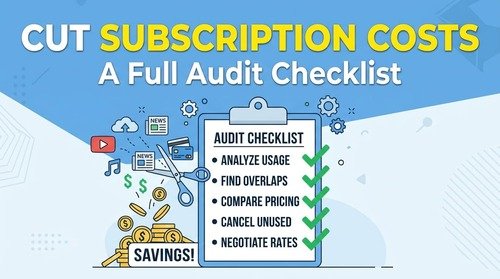
- Subscriptions: Audit what you’re paying for and cancel anything unused
- Grocery habits: Meal planning before shopping cuts impulse purchases
If you cook a few meals with a kitchen on your trip itself, that alone can save a family $50-80 a day compared to eating out for every meal — a habit worth practicing at home first. SpendMeNot
Step 6: Use Windfalls Intentionally
Tax refunds, work bonuses, or cash gifts are easy to absorb into everyday spending without noticing. Before that happens, decide in advance that a set percentage — say 30-50% — goes straight into the vacation fund the moment it lands.
Step 7: Book Smart to Stretch What You’ve Saved
Saving is half the equation; spending wisely is the other half.
- Booking flights on Tuesdays tends to run cheaper than booking on Sundays, the most expensive day to fly domestically Pacaso
- Booking 2-3 months ahead saves an average of 15% on flights SpendMeNot
- Traveling in shoulder season instead of peak summer can meaningfully lower both flight and hotel costs
None of these tricks replace having the money saved, but combined with a real budget, they stretch it further.
Frequently Asked Questions
How far in advance should I start saving for a vacation?
Ideally 6-12 months out. That gives you room to save smaller, manageable amounts rather than scrambling in the final weeks before the trip.
Is it ever okay to use a credit card for vacation if I pay it off fast?
If you’re confident you can pay the full balance before interest accrues, a rewards card can add value. The risk is underestimating how "confident" you really are — many people plan to pay it off quickly and don’t.
What if I can’t save enough in time?
Adjust the trip instead of the budget: shorter stay, closer destination, or off-season dates. A smaller paid-for trip beats a bigger one funded by debt.
Should I use a separate app or just a bank account?
Either works, as long as the money is separated from your everyday spending. The goal is friction — making it slightly harder to dip into, not impossible to access.
Saving for a trip isn’t about denying yourself the experience — it’s about making sure you can actually enjoy it once you’re there, instead of thinking about the bill waiting at home. Start with a real number, automate the boring part, and let the rest follow.
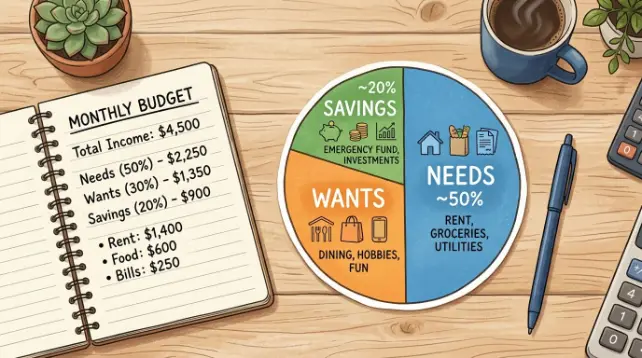
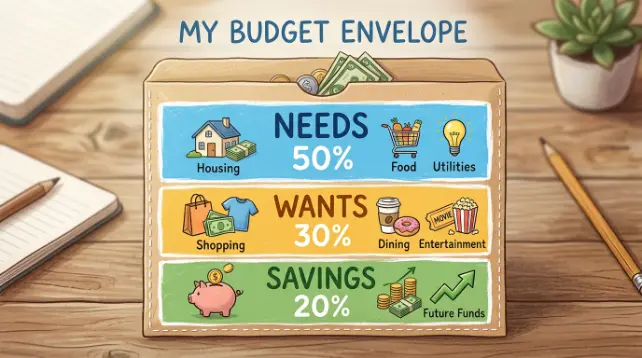
If you’re still working on the basics of where your money goes each month, it might be worth building out a full budget first before setting a vacation goal on top of it.