You’re staring at a credit card statement, watching most of your payment disappear into interest instead of the actual balance. Someone mentions a balance transfer card, and suddenly it sounds like a shortcut out of debt. But is it actually a good deal, or just a new set of fine print to get tangled in?
What a Balance Transfer Card Actually Does
A balance transfer card lets you move debt from one or more credit cards onto a new card, usually one offering 0% or a very low introductory APR for a limited time. Instead of paying whatever interest rate you’re currently stuck with, you get a window — often 12 to 21 months — where your payments go almost entirely toward the balance instead of interest charges.
That window matters more than people realize. As of September 2026, the average credit card interest rate sits close to 19.6%, and cards that carry a balance month to month often run even higher. A 0% intro period, even a short one, can mean the difference between chipping away at debt for years and actually finishing the job.
The Fee You Can’t Skip
Here’s the part that trips people up: balance transfers aren’t free. Card issuers charge a balance transfer fee, almost always calculated as a percentage of what you’re moving. According to Chase’s own breakdown, this fee is typically a percentage of the transferred amount, sometimes with a flat minimum charge instead if that number is higher.
In practice, that fee usually lands between 3% and 5% of the balance, according to Bankrate’s analysis. So if you move $6,000 in debt at a 4% fee, you’re adding $240 to your new balance before you’ve made a single payment. That’s not a dealbreaker on its own, but it’s the number you need in order to do the real math.
When the Math Actually Works in Your Favor
A balance transfer is worth it when the interest you’d save outweighs the fee you’re paying to move the debt. That sounds obvious, but a lot of people skip the comparison and just chase the 0% headline.
Here’s a simplified look at how the numbers can play out on a $6,000 balance:
| Scenario | Interest Rate | Est. Interest Over 18 Months | Transfer Fee | Total Cost |
|---|---|---|---|---|
| Stay on current card | 22% APR | ~$1,150 | $0 | ~$1,150 |
| Balance transfer card | 0% intro APR (18 months) | $0 | 4% fee ($240) | $240 |
| Balance transfer card, longer payoff | 0% intro APR (18 months), balance not fully paid off | Regular APR kicks in on remainder | 4% fee ($240) | Fee + leftover interest |
The savings are real, but only if you can pay off the transferred balance before the intro rate expires. Once that promotional window ends, the remaining balance jumps to a regular APR, which can be just as high as what you started with, or higher, depending on the card.
What a Balance Transfer Card Doesn’t Fix
A balance transfer buys you time and lowers your interest cost. It doesn’t change the spending habits or income gaps that created the debt in the first place. If you transfer a balance and then keep charging the old card back up, you can end up carrying two balances instead of one.
In my own experience, I’ve never been someone who leans on debt. I’d rather live within what I earn than owe money to an institution, mostly because I don’t like the feeling of someone else having leverage over my finances. That doesn’t mean I think debt is always the wrong move; used strategically, it can work in your favor. But a balance transfer only helps if it’s paired with a real plan to stop the balance from growing back, not just a lower interest rate to hide behind.
Balance Transfer vs. Other Ways to Tackle High-Interest Debt
A balance transfer card isn’t the only tool for this problem, and it isn’t always the best fit. Here’s how it stacks up against two common alternatives.
| Option | Best For | Typical Cost | Watch Out For |
|---|---|---|---|
| Balance transfer card | Smaller balances you can pay off within the intro period | 3%–5% transfer fee | Regular APR after intro period ends; requires decent credit |
| Personal loan (debt consolidation) | Larger balances, fixed monthly payments | Fixed interest rate + possible origination fee | Loan term can stretch out total interest paid |
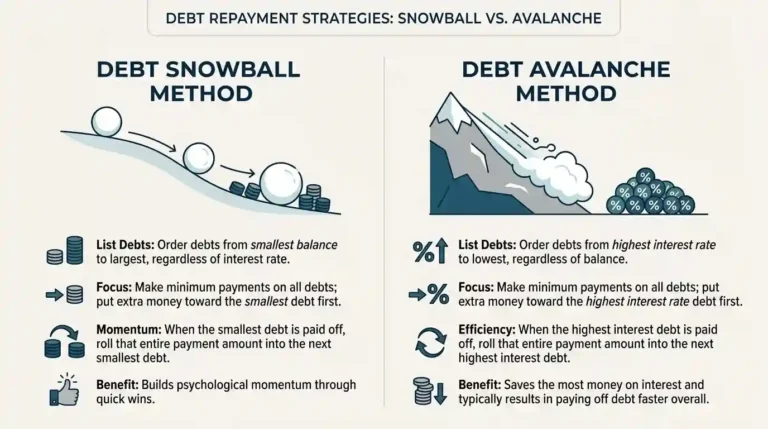
| Debt snowball/avalanche on existing cards | People who can’t qualify for new credit | No new fees | Slower progress at high interest rates |
None of these is universally "better." A balance transfer tends to make the most sense when your balance is manageable and your timeline to pay it off is realistic. If the debt is large enough that 12 to 21 months won’t be enough, a personal loan’s fixed rate and longer term might actually save you more overall.
Questions to Ask Before You Apply
- Can I realistically pay this off before the intro period ends? If not, the fee may not be worth it.
- What’s the balance transfer fee, exactly? Some cards advertise long 0% periods but charge a higher fee to offset it.
- What’s the APR after the promotion ends? This number matters just as much as the intro rate.
- Is there a transfer limit? Some cards cap how much of your existing debt they’ll accept.
- Will I close the old card or keep it open? Keeping it open with a $0 balance can help your credit utilization, as long as you don’t use it.
Frequently Asked Questions
Does a balance transfer hurt your credit score? Applying for a new card involves a hard inquiry, which can cause a small, temporary dip. Over time, if the transfer lowers your credit utilization, it can actually help your score.
How long do 0% intro APR offers usually last? Offers vary, but many balance transfer cards run promotions somewhere in the 12- to 21-month range, depending on the issuer and your credit profile.
Can you transfer a balance between cards from the same bank? Usually not. Most issuers don’t allow you to transfer a balance from one of their cards to another of their own cards.
What happens if I don’t pay off the balance in time? Whatever is left over starts accruing interest at the card’s regular APR, which can erase a lot of the savings you were counting on.
Debt feels different depending on where you are in your financial life, and a balance transfer is really just one tool in a bigger toolbox. If you’re still deciding how it fits into your overall payoff plan, it’s worth looking at how it compares to other repayment strategies before you commit to one path.