You check your bank account and immediately regret it. Another bill lands in your inbox before you’ve even dealt with the last one, and for a second, you consider just not opening it at all. If that sounds familiar, you’re not being dramatic — debt overwhelm is a real, physical feeling, and it happens to far more people than the silence around money makes it seem.
Why Debt Feels So Heavy (Even When You’re Handling It "Fine")
Debt isn’t just a math problem. It’s a math problem that follows you into your sleep, your relationships, and your ability to concentrate at work. A 2026 survey from Achieve and Money.com, which polled 2,000 U.S. adults, found that half of respondents reported feeling anxious about their finances, 49% had trouble sleeping, and 50% experienced fatigue tied to debt stress. More than a third also developed headaches or digestive issues connected to money stress, and 44% described feeling overwhelmed overall. achieveachieve
So if you’re staring at a stack of bills and feeling like your chest is tight, that’s not weakness. That’s a documented, common response.
In my own experience, debt has always felt less like a number and more like a loss of control — like something else is steering my decisions instead of me. That’s part of why I’ve stayed cautious about taking on debt in the first place, even though I know there’s a version of debt that can be used strategically. When you’re in the middle of it, though, "strategic" isn’t the word that comes to mind — survival is.
Step 1: Get the Full, Honest Picture of What You Owe
Overwhelm thrives on vagueness. When you don’t know the exact numbers, your brain fills in the worst-case scenario, and that imagined number is almost always scarier than the real one.
- List every debt: balance, interest rate, and minimum payment.
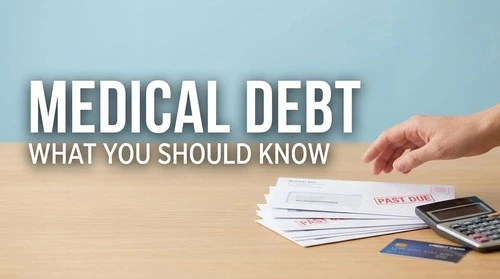
- Include things you might be avoiding, like medical bills or money owed to family.
- Add it all up in one place, even if the total feels uncomfortable.
This step doesn’t fix anything on its own. However, it does something important: it turns an abstract fear into a concrete list, and concrete lists can actually be worked through.
Step 2: Separate the Panic From the Plan
Once you see the full picture, your instinct might be to do something drastic — take out a new loan, ignore it completely, or throw every spare dollar at the scariest-looking bill. Instead, give yourself 24 hours before making any big financial decision while you’re still in panic mode.
During that pause, ask yourself three questions:
- Which debts are actually urgent (missed payments, collections, repossession risk)?
- Which ones are just stressful to look at, but current and manageable?
- What’s the smallest next action I can take today, not this year?
Sorting debts by urgency — not by how loud they feel emotionally — is often the difference between a plan and a spiral.
Step 3: Talk to Someone Before It Gets Worse
Isolation makes debt heavier. Silence lets shame do all the talking, and shame is a terrible financial advisor.
If you’re not ready to talk to family or friends yet, a nonprofit credit counselor is a lower-stakes place to start. Organizations like the National Foundation for Credit Counseling connect people to certified counselors who can review your full situation, explain your real options, and help you build a debt management plan — often for free or at low cost. This is different from a debt settlement company trying to sell you something; NFCC-affiliated counselors are trained specifically to walk consumers through debt, budgeting, and credit questions.
Step 4: Build a Payment Plan You Can Actually Follow
Overwhelm often comes from trying to solve everything at once. A workable plan usually does the opposite — it narrows your focus.
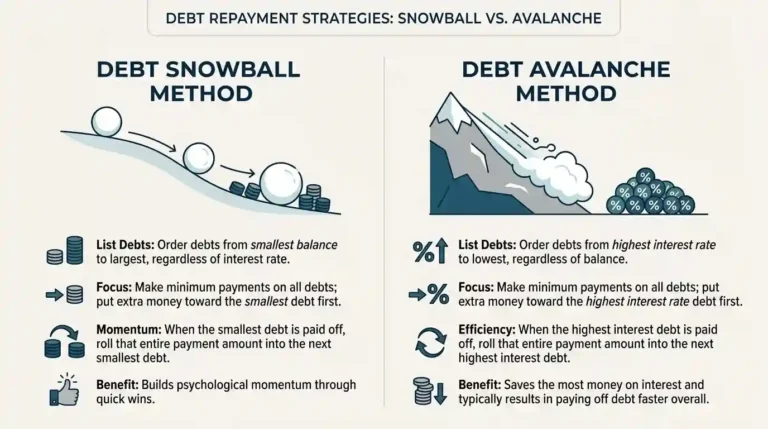
Two common approaches:
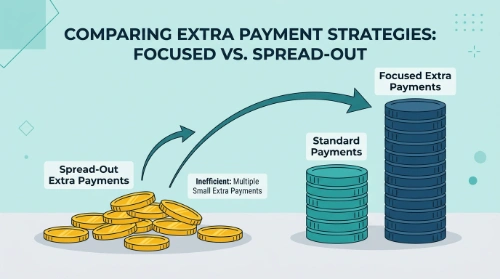
- Debt snowball: pay minimums on everything, then throw extra money at your smallest balance first, for quick psychological wins.
- Debt avalanche: pay minimums on everything, then focus extra money on your highest-interest debt first, to save more money over time.
Neither is objectively "correct." The right one is the one you’ll actually stick to for months, not the one that looks best on paper for five minutes.
Step 5: Protect Your Mental Health While You Dig Out
This part gets skipped constantly, and it shouldn’t. Debt payoff can take months or years, and if you treat your mental health as an afterthought the entire time, burnout will derail the plan long before the debt is gone.
A few things that genuinely help:
- Set a specific time each week to look at your finances, so it’s not running in the back of your mind 24/7.
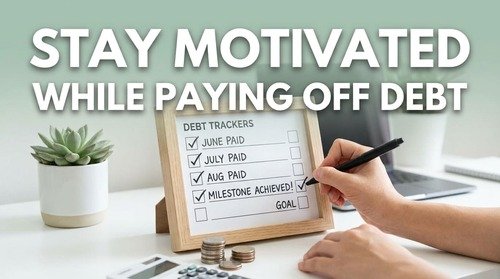
- Track small wins (a paid-off card, a lowered balance) instead of only the total debt remaining.
- Talk to a therapist or counselor if the anxiety is affecting your daily functioning, not just your mood.
If financial stress is ever tied to thoughts of hurting yourself or feeling like there’s no way out, that’s a sign to reach out to a mental health professional or a crisis line right away — debt is solvable, even when it doesn’t feel that way in the moment.
FAQ
Is it normal to feel physically sick about debt?
Yes. Financial stress is linked to sleep problems, headaches, and digestive issues in national surveys, and half of people in one recent U.S. survey reported anxiety directly tied to their finances. achieve
Should I talk to my family about my debt?
It depends on your relationship with them, but keeping it fully secret usually increases stress over time. Even a short, honest conversation can relieve some of the isolation debt creates.
What’s the difference between feeling overwhelmed and actually being in a debt crisis?
Overwhelm is emotional; a crisis usually involves missed payments, collections calls, or risk of losing something essential (housing, a vehicle). If you’re in the second category, prioritize those debts first and consider contacting a nonprofit credit counselor immediately.
Can a credit counselor really help for free?
Many NFCC member agencies offer an initial consultation at no cost, though ongoing debt management plans may have modest fees depending on the agency and your state.