You didn’t choose to get sick or hurt. But somehow, months later, you’re staring at a bill that feels more like a punishment than a receipt. That’s the strange thing about medical debt — unlike a credit card balance or a car loan, you rarely agree to the price ahead of time. You just end up owing it.
If you’re carrying medical debt right now, you’re far from alone. A Kaiser Family Foundation analysis found that people in the U.S. owe at least $220 billion in medical debt overall, with roughly 14 million adults owing more than $1,000 and about 3 million owing more than $10,000 (KFF, "The Burden of Medical Debt in the United States"). This guide walks through how medical debt actually works, what it can and can’t do to your credit, and the practical steps that tend to make the biggest difference.
Why Medical Debt Doesn’t Play by the Same Rules
Most debt comes with a decision point. You pick the credit card, sign the loan paperwork, or agree to the lease. Medical debt usually skips that step entirely.
You show up at an ER, get treated, and find out the cost weeks later — often after insurance has processed (or denied) the claim. As a result, medical debt tends to hit people who are otherwise financially responsible, simply because a health emergency doesn’t check your budget first.
In my own experience, I’ve always preferred to avoid debt altogether and rely on my own savings rather than owe money to someone else — mostly because debt has a way of putting control in someone else’s hands. Medical debt is the clearest example of that feeling, since it’s rarely a choice you made. It’s something that happened to you, and figuring out how to regain control over it is the real challenge.
Does Medical Debt Still Hurt Your Credit Score in 2026?
This is where things get genuinely confusing, because the rules have shifted several times in the last few years. Here’s where things actually stand.
The Voluntary Bureau Changes (Still in Effect)
Starting in 2022 and 2023, Equifax, Experian, and TransUnion made three changes on their own, without being legally required to:
- Paid medical debt is no longer reported, no matter how long it took you to pay it off.
- Unpaid medical debt under $500 is not reported at all.
- New medical debt has a waiting period of about a year before it can appear on your report, giving you time to dispute, negotiate, or set up a payment plan.
These are business decisions the credit bureaus made voluntarily, and as of now, they remain in place.
The CFPB Rule That Almost Changed Everything
In January 2025, the Consumer Financial Protection Bureau finalized a rule that would have removed essentially all medical debt from credit reports nationwide. However, a federal judge in Texas vacated that rule in July 2025, ruling that the CFPB had exceeded its authority under the Fair Credit Reporting Act (CBS News). That means there is currently no federal ban on medical debt appearing on your credit report — only the voluntary bureau policies above, plus whatever protections your state has passed on its own.
Check Your State
Several states have passed their own laws limiting how medical debt can be reported or collected. Because this area is still being contested in court, it’s worth doing a quick search for your specific state’s current rules before assuming you’re covered.
Check Your Bill Before You Pay a Cent
Before you do anything else, get an itemized bill and actually read it. This step alone resolves more medical debt situations than people expect.
Billing errors in hospital charges are shockingly common. One analysis by Medliminal Health Solutions found that nearly 90% of hospital bills contained at least one error, ranging from duplicate charges to services that were canceled but billed anyway (Becker’s Hospital Review). Common issues worth looking for include:
- Charges for tests or procedures that were canceled
- Duplicate line items for the same service
- Incorrect insurance information that caused a claim to be denied
- Being billed at the out-of-network rate when an in-network provider treated you
If something looks off, call the billing department and ask for a corrected itemized statement. It’s a slow process, but it costs nothing and can shrink a bill significantly.
Ways to Reduce or Resolve Medical Debt
Once you’ve confirmed the bill is accurate, you generally have a few paths forward. None of them are mutually exclusive — many people combine two or three.
| Option | Best For | Watch Out For |
|---|---|---|
| Hospital financial assistance (charity care) | Nonprofit hospital bills, lower-income households | Application deadlines and income documentation requirements |
| Direct negotiation with billing office | Any bill, especially large ones | Get any agreement in writing before paying |
| Interest-free payment plan | Bills you can’t pay in full but can pay over time | Confirm in writing that it’s truly interest-free |
| Medical bill advocate or nonprofit counselor | Complex bills, insurance denials | Vet the organization; avoid ones charging large upfront fees |
| For-profit medical debt settlement company | Debt already in collections | Fees can eat into savings; may not help as much as free options |
Most nonprofit hospitals are required to offer some form of financial assistance program, so it’s worth asking the billing department directly whether you qualify — even if no one mentions it upfront.
What Happens If You Don’t Pay
Ignoring medical debt rarely makes it disappear. Depending on the provider, unpaid bills can eventually be sent to a collections agency, which may then attempt to report it (subject to the rules above) or, in some cases, pursue legal action.
That said, panicking and paying immediately isn’t always the smartest move either. It’s usually better to confirm the bill is accurate, explore financial assistance or a payment plan, and negotiate before sending any money — especially since paying off a smaller, negotiated amount is often realistic within a reasonable timeframe.
Frequently Asked Questions
Can a hospital send me to collections while I’m still disputing a bill? It’s possible, but many hospitals will pause collections while a formal dispute or financial assistance application is pending. Always ask for this in writing when you submit a dispute.
Does medical debt affect my score the same way a credit card does? Not exactly. Because of the voluntary bureau changes, paid medical debt and unpaid medical debt under $500 generally don’t appear on your report at all, which is different from most other debt types.
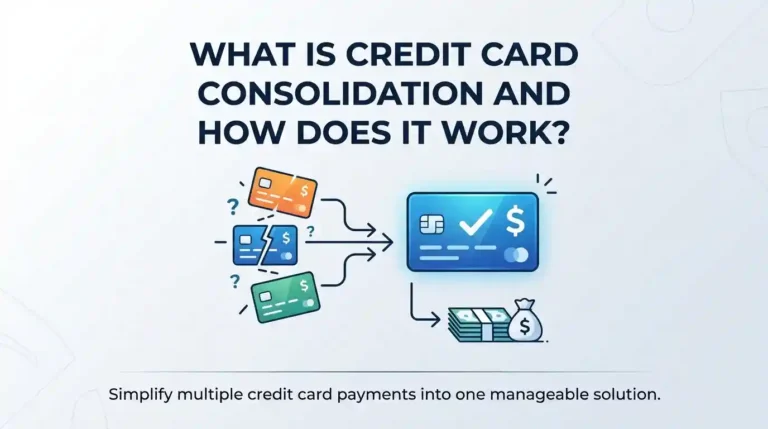
Should I put medical debt on a credit card to avoid collections? Be cautious here. Once medical debt becomes credit card debt, it loses the protections tied specifically to medical bills, including the extended reporting delay and the under-$500 exemption.
Is a nonprofit hospital required to offer financial assistance? Most nonprofit hospitals maintain financial assistance policies, since it’s tied to their tax-exempt status. Eligibility and generosity vary significantly by hospital, so it’s worth asking directly rather than assuming you don’t qualify.
Moving Forward
Medical debt has a way of making people feel like they did something wrong, when really, it’s just an unpredictable part of needing care. Taking it apart piece by piece — checking the bill, asking about assistance, and negotiating before paying — tends to bring that feeling of control back faster than people expect.
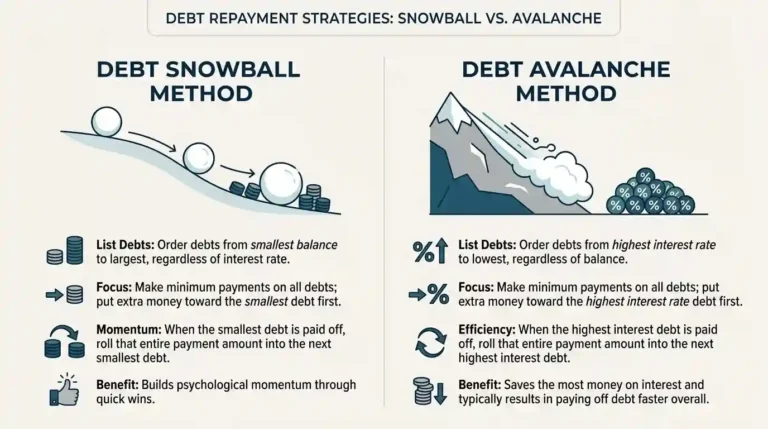
If you’re working through medical bills alongside other debt, it might also help to look at how a broader payoff strategy could speed things up.