You’ve found the job posting, the industry, or the leap you actually want to make. The problem isn’t motivation — it’s the six-month gap between your last paycheck in one field and your first paycheck in another. That gap is where most career changes quietly fall apart, not because the new path was wrong, but because the money ran out before the plan had time to work.

Financially preparing for a career change isn’t about having a perfect savings number. It’s about giving yourself enough runway that a slower-than-expected transition doesn’t force you back into the job you were trying to leave.
Why a Career Change Hits Your Wallet Harder Than a Job Switch
Switching jobs within the same field usually means a short gap and a similar salary. Changing careers is different: you may be starting at a lower rung, learning a new skill set, or spending months job hunting in an unfamiliar industry where your old network and resume carry less weight.
That combination — longer search time, potential pay cut, and unfamiliar territory — is why career changes need more financial preparation than a typical job hop. The good news is that almost all of it can be planned for in advance.
Step 1: Build a Runway, Not Just an Emergency Fund
Standard advice says to keep three to six months of essential expenses in savings. However, a career change often stretches that timeline. Data from career resource Novoresume, citing U.S. Bureau of Labor Statistics figures, shows job searches now commonly take five to six months from start to offer, and that number tends to run longer when someone is moving into an unfamiliar field rather than a similar role.
Because of that, treat your career-change fund as a runway, not a generic emergency cushion. As a result, it’s worth calculating two separate numbers before you start:
- Bare-minimum expenses: rent or mortgage, utilities, groceries, insurance, minimum debt payments
- Realistic expenses: the above, plus the costs you’d actually keep paying (gas, basic subscriptions, pet care)
Multiply your realistic monthly number by six to eight months if you’re changing fields entirely, rather than the standard three to six. It sounds like a lot, but a longer runway is what lets you actually wait for the right opportunity instead of grabbing the first offer out of financial panic.
Step 2: Budget for the Income Gap Before It Happens
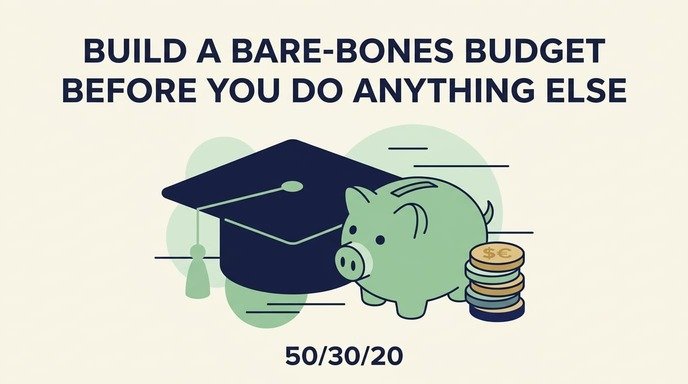
Once you know your runway target, build a temporary "transition budget" separate from your normal one. This budget assumes reduced or zero income for a set number of months and strips spending down to essentials only.
In my own experience, money has always been tied to more than just the numbers — when income feels uncertain, it affects mood and confidence just as much as it affects the bank balance. That’s part of why building the transition budget early matters: doing the math in advance, while you still have a steady paycheck, takes some of the emotional weight off the actual transition period, so you’re not making decisions from a place of panic.
A few practical moves that help this budget go further:
- Pause or cancel non-essential subscriptions before your last paycheck, not after
- Delay large purchases (car repairs you can postpone, upgrades, renovations) until you’re settled in the new role
- Set a hard "stop" date where, if your runway hits a certain low point, you pause the search and take short-term work instead
Step 3: Plan for Health Insurance Before You Lose It
Health coverage is the cost people underestimate most when changing careers, especially if there’s a gap between jobs. According to KFF’s 2025 Employer Health Benefits Survey, the average annual premium for employer-sponsored single coverage reached $9,325 in 2025. If you continue coverage through COBRA after leaving a job, you typically pay that full premium yourself, plus a small administrative fee, since your employer no longer subsidizes it.
Because of that jump in cost, it’s worth comparing your options before your coverage ends:
- COBRA (keeps your existing plan, but at full, unsubsidized cost)
- A Health Insurance Marketplace plan, which may qualify for subsidies depending on your income during the transition
- A spouse or partner’s employer plan, if that’s available to you
Build whichever option you choose into your transition budget from Step 2, rather than treating it as a surprise expense later.
Step 4: Trim Fixed Costs Before You Leap, Not After
It’s tempting to make your first budget cuts after you’ve already left your job, but that’s the hardest time to change your spending habits. Instead, use the months before your transition to lower your fixed costs while you still have stable income to work with.
Refinancing a car, renegotiating a phone or internet bill, or moving to a cheaper living situation are all easier to arrange when a lender or landlord can see steady paychecks on your application. Lowering your fixed costs by even 10–15% before the transition directly shrinks how much runway you need in Step 1.
Step 5: Line Up a Bridge Income
A bridge income — freelance work, consulting, or part-time hours in your old field — can meaningfully shorten how much savings you need to draw down. It doesn’t need to replace your full salary; even covering half your essential expenses each month can double how long your runway lasts.
The key is picking one manageable option rather than juggling several at once. Spreading yourself across too many income streams during an already stressful transition tends to backfire, since neither the job search nor the side income gets your full attention.
Frequently Asked Questions
How much should I save before quitting my job for a career change? Most financial guidance points to three to six months of essential expenses as a baseline, but six to eight months is a more realistic target if you’re changing fields entirely, since job searches into unfamiliar industries tend to run longer.
Should I quit before or after I find a new job? Wherever possible, searching while still employed protects your income and your health insurance. A full financial runway matters most when a career change genuinely requires you to step away first, such as returning to school or completing a certification.
Can I use retirement savings to fund a career change? It’s generally worth avoiding early withdrawals from retirement accounts, since they usually come with taxes, penalties, and lost long-term growth. A separate transition fund kept in a regular savings account is a safer source of runway.
What’s the biggest financial mistake people make during a career change? Underestimating how long the transition will take and how much health insurance will cost once it’s no longer subsidized by an employer. Building both into your plan early avoids the most common budget shock.
Making a career change is rarely just a professional decision — it’s a financial one too, and treating it that way from the start makes the leap far less stressful. If you’re still working out how much of a cushion you actually need, our guide on building an emergency fund from scratch is a good next stop.