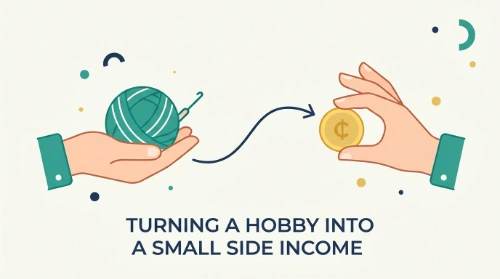
You’ve probably had the thought while doing the thing you love: "Could this actually make me money?" Maybe it’s woodworking, baking, photography, or knitting — something that already eats up your weekends for free. Turning that hobby into a side income isn’t about chasing a viral success story. It’s about testing, pricing, and pacing yourself so the thing you enjoy doesn’t turn into a second unpaid job.
Start by Separating "Hobby" From "Business Idea"
Not every hobby translates into income the same way, and that’s fine. Some hobbies convert into products (a candle you can sell), others into services (photography sessions), and others into content (a YouTube channel about your hobby). Before you spend a dollar, get specific about which category yours falls into.
Ask yourself three questions:
- Is there a tangible thing I make that someone else would pay for?
- Is there a skill I have that other people struggle with or don’t have time to do themselves?
- Would people pay to watch, read, or learn from what I do, even if they never buy a "product" from me?
Your answer points you toward a product-based, service-based, or content-based side income — and each one has a different starting cost and timeline.
Validate Before You Invest
One of the most common mistakes is spending money on inventory, equipment, or a fancy website before confirming anyone will actually pay. Instead, validate cheaply first.
For product-based hobbies, list one or two items on an existing marketplace (Etsy, Facebook Marketplace, a local craft fair) before building your own store. For service-based hobbies, offer your first few sessions to friends of friends at a modest rate in exchange for a review. For content-based hobbies, post consistently for a month and see whether anyone engages before investing in equipment upgrades.
Because validation is cheap and building is expensive, this order matters more than it might seem.
Price It Like a Business, Not a Favor
Hobbyists tend to underprice their work, partly because it doesn’t feel like "real" labor when you enjoy it. However, if you want this to be a genuine side income and not a break-even project, your price needs to account for materials, your time, and the platform fees you’ll pay to sell.
A simple starting formula:
- Add up the cost of materials or supplies per item.
- Multiply your hours worked by a reasonable hourly rate — even $15–$20/hour as a floor.
- Add 15–20% to cover selling fees, shipping issues, or slow months.
If that number feels too high compared to what similar sellers charge, that’s useful information. It tells you whether this hobby can realistically become income, or whether it needs a different format (bundling, subscriptions, or higher-end custom work) to be worth your time.
Set Boundaries Before Demand Shows Up
It’s tempting to say yes to every order or every client once money starts coming in. But hobbies that turn into stressful, joyless obligations tend to get abandoned entirely — which defeats the purpose of starting with something you loved in the first place.
Decide upfront:
- How many hours per week you’re willing to give this, and stick close to it.
- Whether you’ll take custom requests or keep offerings simple and repeatable.
- At what point (income-wise) it would make sense to raise prices instead of taking on more volume.
In my own experience, I’ve made the mistake of stretching myself across too many money-making projects at once instead of committing fully to one. It taught me that focus beats diversification, especially early on — giving one hobby-turned-income idea your full attention tends to produce better results than splitting your energy across three half-finished ones.
Where to Actually Sell or Offer It
Where you sell depends heavily on your category:
- Products: Etsy, Depop, local markets, or Instagram/Facebook Shops work well for handmade or vintage goods.
- Services: Word-of-mouth, local Facebook groups, Nextdoor, or a simple one-page website with a booking link tend to outperform generic freelance marketplaces for local services like tutoring, pet care, or photography.
- Content: Platforms like YouTube, Substack, or Patreon let you monetize an audience directly once you’ve built even a small, consistent following.
You don’t need to be everywhere at once. Picking one channel and doing it well beats spreading thin across five platforms with no real presence on any of them.
How Much Can You Realistically Expect to Earn?
It varies enormously depending on the hobby, the time you put in, and the platform. According to a 2026 LendingTree survey of nearly 2,050 U.S. adults, Americans with a side hustle earned an average of about $1,242 a month — though that figure spans everything from reselling to freelance services, not hobby-based income specifically (LendingTree, 2026). Interestingly, a separate 2026 Omnisend survey found that only 9% of people with a side hustle started it primarily to pursue a passion or hobby, down from 14% in late 2025 — most people are motivated by covering bills first (Omnisend, 2026). That doesn’t mean hobby income isn’t worthwhile — it just means most hobby-to-income stories start smaller and grow slower than social media might suggest.
Treat the first few months as data-gathering, not a verdict. A slow start doesn’t mean the idea won’t work; it often just means pricing, marketing, or format needs adjusting.
Frequently Asked Questions
Do I need to register a business to sell my hobby’s products or services? It depends on your local regulations and how much you earn, but many people start informally through marketplaces like Etsy before registering anything. Once income becomes consistent, it’s worth checking your local requirements for a business license or sole proprietorship, since rules vary by city and state.
How do I know if my hobby is "sellable"? Look for two signals: are people already asking you to make something or help them with it for free, and can you find at least a few other sellers or providers doing something similar successfully? Both suggest real demand.
What if I start losing interest once it becomes work? This is common and worth watching for. Keeping your hours capped and your pricing fair (instead of racing to the bottom) helps preserve the parts of the hobby you actually enjoy.
Should I quit my job once my hobby income grows? Not right away. Most side incomes take time to become stable enough to replace a full-time paycheck, and rushing that transition adds unnecessary financial risk.
Turning a hobby into income doesn’t have to mean turning it into a hustle you dread. Start small, price it honestly, and let the demand — not the pressure to "go viral" — decide how far you take it.